I grew up in Brooklyn. Faith was around me, but much of it felt like rules, labels, pressure, and religious constructs rather than relationship.
The shift came through my grandmother. She didn't preach. She didn't argue. She didn't perform. She just lived the life. Her faith felt like a rupture in everything I had been taught. When I asked if she was Southern Baptist or Protestant, she said:
"No... I'm just a woman who loves God."
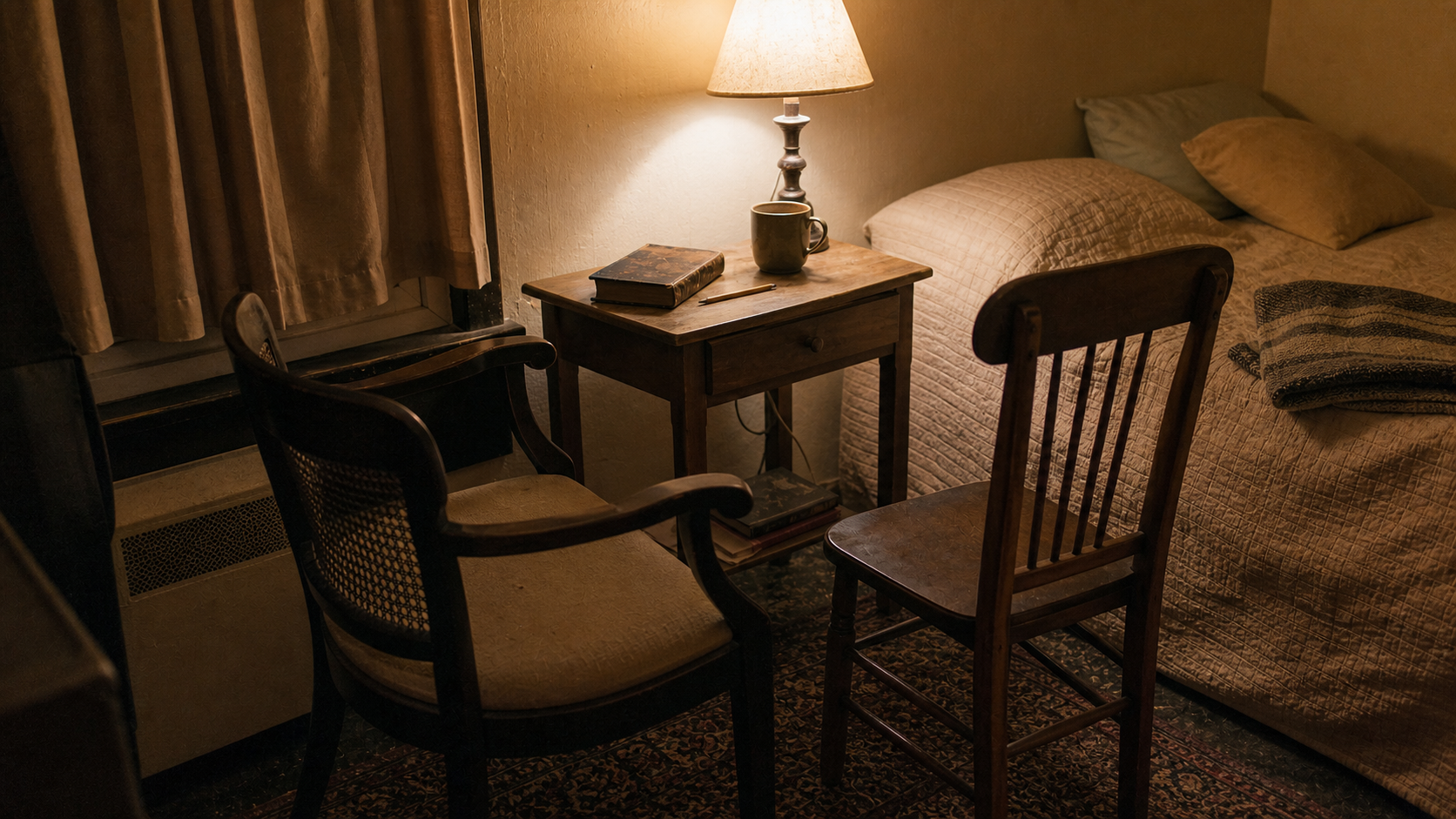
One night she asked if I was going to pray. I told her I never prayed at night. She said, "Okay... so this is what we're gonna do. We're gonna pray." And she prayed the Lord's Prayer.
Game changer. Total game changer. It wasn't loud. It wasn't outward. It wasn't absurd. It was like listening to a real conversation she was having — quiet, steady, present. That was the standard.
"If it's real, you can feel it."
Years later, I stood in a hospital room holding her hand as she died. And then something happened that stopped all the wondering. Standing beside me in that room — clear as day — was a presence I could not explain and did not need to. A friend standing next to me felt it too, unprompted. After that, the question wasn't whether any of this was real. The question was what to do with it.
After my grandmother died, I became less interested in formal religion and more interested in what she had — real faith without dogma. Reading about Jesus, what I kept finding was simple: "Love God. Love everybody else. That's it."
My twenties were searching. TV and film production became my anchor for almost twenty years. Production taught me how to build a room — how to create a space where something real can happen. Over time, the deeper question became less "what can I make?" and more "who am I here to help?"
At a missionary conference, I heard a clear call to go to Kenya. There, I met William Kamau. His ask wasn't logistical. It was personal. "I don't want you just to shoot a film. I want you to come and partner with me." He wasn't offering information. He was offering the same thing my grandmother had offered — a way of being.
Multiple trips to Kenya changed my lens. I worked alongside my friend William, and for years we built things together.
When William died, I flew back. Seven thousand miles.
His wife met me at the door. She took my hand, and in front of everyone gathered in her home, she said:
"This is true love. For a man to travel 7,000 miles to come see his friend."
I didn't go to make a statement. I went because I loved him.
That moment taught me something I couldn't unlearn: the real work was never what we were building. It was who we were being.
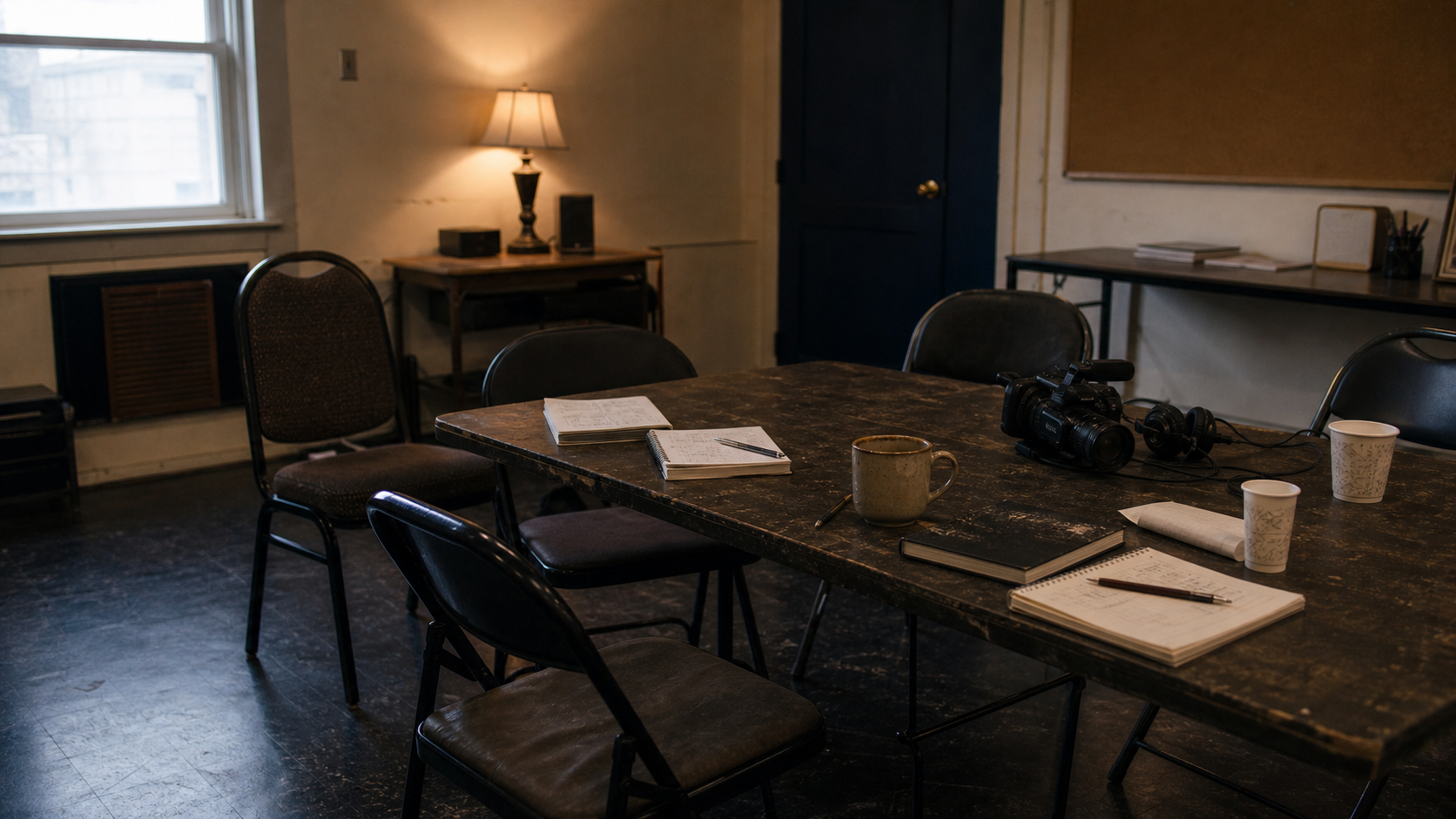
Later, teaching inner-city kids film production for about twelve years, I learned that much of the real work was presence. It wasn't just the curriculum. Presence makes people feel safe — safe enough to be themselves, safe enough to grow.
There was a detour first. I enrolled in nursing school. I lasted long enough to know it wasn't the environment — it was that presence got rushed out of you. Managed. Scheduled. Moved along. I left with a conviction that took years to fully name: spaces where presence is protected are the only spaces where people actually change.
Eventually, I became pastor of a small congregation in Connecticut trying to break dogma down. People kept visiting, and they kept saying the same thing: they felt a sense of safety, and they felt a sense of love.
When I kept hearing that, it hit me:
"This isn't a compliment. This is the assignment."
That assignment made ADONI inevitable.
We didn't start this because the world needed another religious program. ADONI exists because people need a place that protects what is real: simple faith, real presence, and a safe space to grow.
It is a space where people can openly talk about their faith, work through what is holding them back, and return to what is real without pressure or performance.
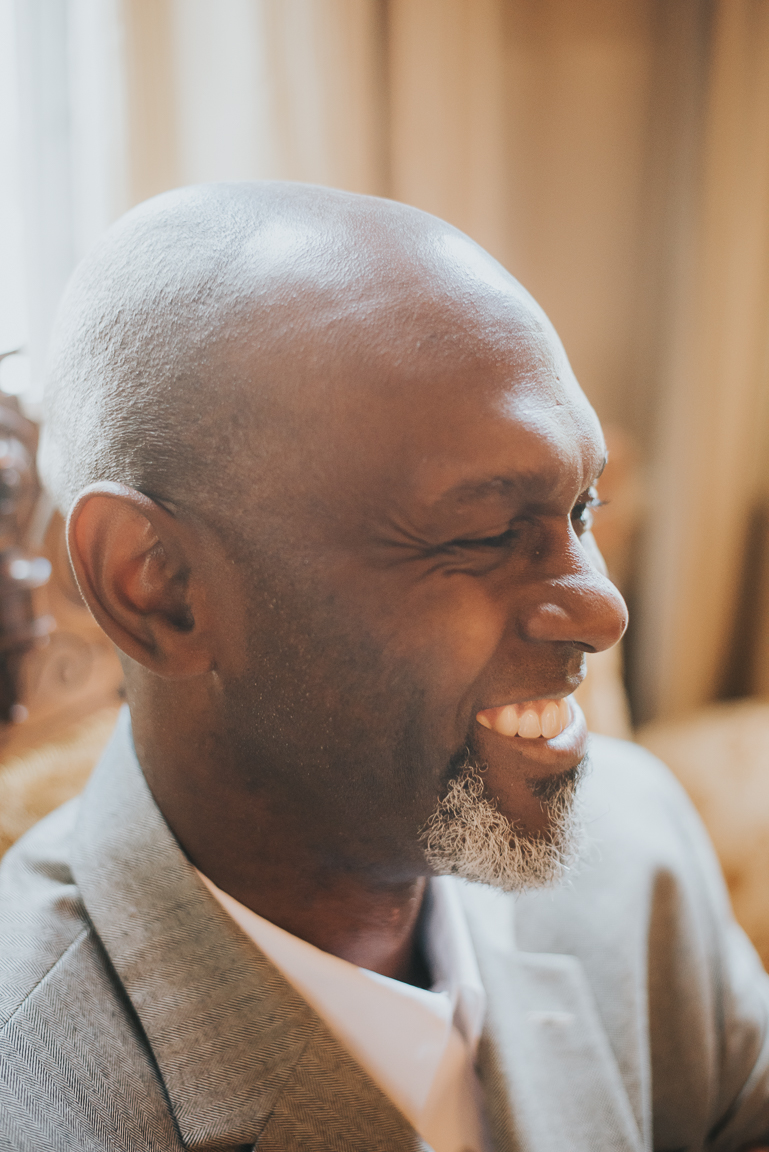
Robb Blocker
If you are tired of performing faith, come sit with us on a Sunday.
There is nothing to prove here.
Come sit with us on a Sunday.